Worn In, Not Worn Out: The Beautiful Tension Between a Bag That's Lived and a Wallet That Wants to Upgrade
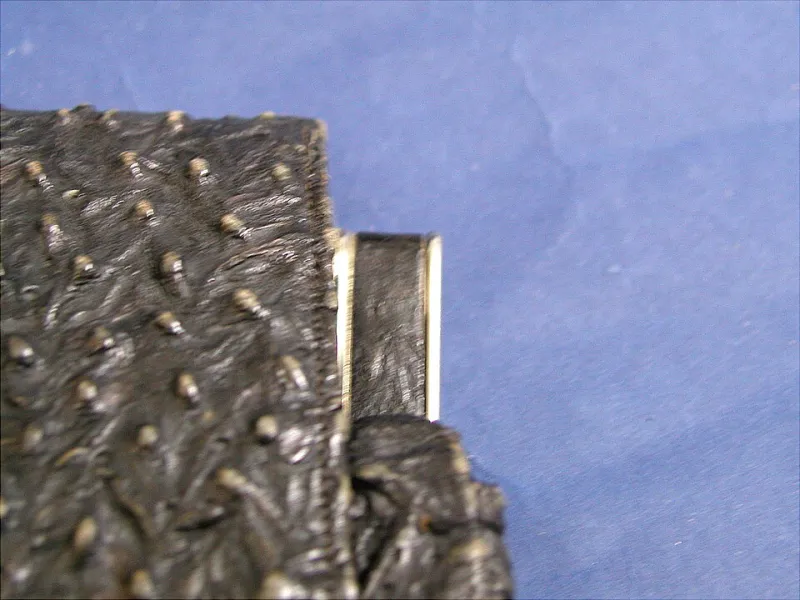
Photo: Unknown, CC BY 4.0, via Wikimedia Commons
Let's be honest. There's a specific kind of complicated you feel when you pull out a Kate Spade bag you've been carrying for three years and realize — wait, this thing looks amazing. The leather on the corners has gone from stiff and pristine to this buttery, broken-in softness. The color has shifted just slightly, the way a great pair of jeans does after a hundred washes. It has weight to it now. History.
And then you open Instagram and see the new spring drop, and your wallet starts sweating.
This is the Kate Spade paradox in action, and you're definitely not alone in feeling it.
What Actually Happens When a Kate Spade Bag Ages
Not all bags age the same way, and that's worth understanding before you write off your worn-in carry-all as a relic. Kate Spade's leather styles — particularly the structured satchels and crossbody bags made from pebbled or smooth genuine leather — tend to develop what people in the vintage world call patina. That's a fancy word for the way natural materials respond to light, oils, and everyday handling over time.
Pebbled leather, which shows up across some of Kate Spade's most iconic silhouettes, is especially forgiving in this department. The texture naturally disguises minor scratches and scuffs, and the surface tends to deepen in color in a way that reads as rich rather than worn down. Smooth leathers tell a slightly different story — they're more expressive, meaning they'll show the journey more dramatically. Whether that reads as character or damage is largely a matter of perspective (and how careful you've been).
The hardware is another story entirely. Those signature gold-tone or silver accents can dull over time, especially at friction points like bag clasps and chain straps. But here's the thing — even that dullness can look intentional. A slightly aged brass closure on a cream leather bag? That's not a flaw. That's a vibe.
The Emotional Side of Carrying a Bag That's Been Places
There's a reason people get sentimental about bags. A handbag isn't just a functional object — it's a daily companion. It went to your job interview. It sat under your chair at your best friend's wedding. It got rained on that one terrible Tuesday when everything went sideways, and it survived.
Psychologists have a term for this: the endowment effect. Once we own something and attach memories to it, we value it more than its market price would suggest. That's not irrational — it's deeply human. And in the world of fashion, where so much is designed to feel disposable, that emotional durability is actually a kind of luxury.
Kate Spade bags, maybe more than some of their competitors in the accessible luxury space, lend themselves to this kind of attachment. The brand has always leaned into personality and playfulness over cold prestige, which means the bags tend to attract owners who are genuinely into them, not just wearing them as a status signal. That personal connection makes it harder to let go — and honestly, it probably should.
But Then the New Collection Drops...
Here's where it gets complicated. Kate Spade releases new collections with the kind of regularity that makes it genuinely difficult to stay loyal to what you already own. And they're good. Like, frustratingly good. New colors that feel completely fresh, silhouettes that somehow feel both nostalgic and current, prints that make you wonder how you ever lived without them.
Consumer culture is very good at making your perfectly wonderful, beautifully aged bag feel suddenly insufficient. It's not accidental. The whole machinery of fashion retail is built around the idea that what you have is almost — but not quite — enough. One more season, one more drop, one more limited-edition colorway, and then you'll have the complete picture.
Spoiler: you won't. The next drop is already in production.
This doesn't mean you should never buy new. It means you should be clear-eyed about why you're buying. Is it because the new bag genuinely fills a gap in how you live and dress? Or is it because a well-targeted ad made your current bag feel like it belongs in a donation bin?
How to Know If Your Bag Has Aged Well or Just Aged
Not every old bag deserves a second act, and part of embracing the patina philosophy is being honest with yourself. Here's a quick gut check:
It's aging well if:
- The structure is still intact — no sagging lining, no broken base corners
- The color change looks intentional and even, rather than blotchy or faded in patches
- The hardware still functions properly, even if it's lost some shine
- You still reach for it regularly, not out of guilt but out of genuine preference
It might be time to reconsider if:
- The lining has torn or started peeling in a way that affects daily use
- The leather is cracking rather than softening (these are very different processes)
- The strap hardware has weakened to a point where it feels unsafe
- Honestly? You've just stopped loving it — and that's allowed too
There's no shame in retiring a bag that has truly run its course. The goal isn't martyrdom. It's intentionality.
Making Peace With Both Impulses
The most satisfying relationship you can have with your Kate Spade collection is one where you hold both truths at once: your worn-in bag is genuinely beautiful and the new collection is genuinely tempting. Neither of those things cancels the other out.
What the patina philosophy really offers is permission — permission to opt out of the anxiety spiral that says your bag is only worth carrying when it's brand new. Some of the most compelling personal style you'll ever see on the streets of New York or Chicago or anywhere else involves a bag that's clearly been loved hard for years. It signals confidence. It says you chose something and stuck with it, which is its own kind of statement in a world that's constantly pushing you to swap things out.
That said, if a new Kate Spade style genuinely excites you and fits how you actually live — buy it. Just don't buy it because you've been convinced your current bag is somehow lesser. It isn't. It's just lived in.
And lived-in, when you really think about it, is the whole point.