The Secret Handshake You Never Learned: How Kate Spade Creates a Community of Strangers Who Feel Like Friends
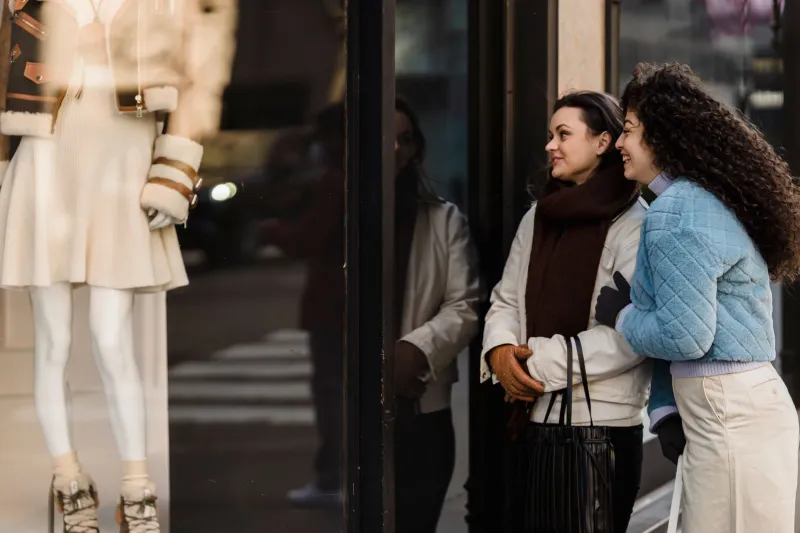
It happens in the most ordinary places. You're waiting for your cold brew at a packed Starbucks on a Tuesday morning, bag hooked over your shoulder, mind already three meetings ahead. And then someone catches your eye — not because they're trying to flirt, not because you dropped something — but because they're holding the exact same spade charm you are. There's a beat. A nod. Maybe a quick "love your bag" that somehow carries more weight than small talk usually does.
If you own a Kate Spade bag, you probably know this feeling. And if you've been on the receiving end of it, you also know it's not nothing.
Why Certain Brands Create Instant Recognition
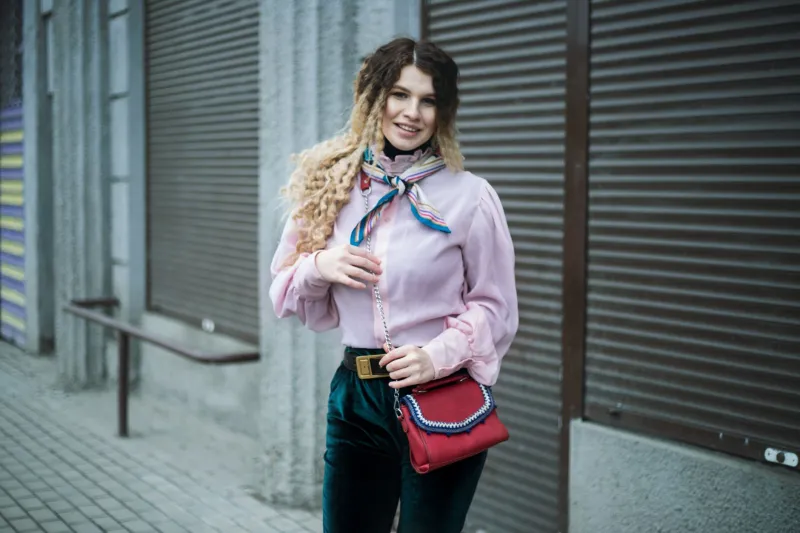
Not every luxury brand pulls this off. Plenty of expensive handbags are beautiful, well-crafted, and completely anonymous to anyone who isn't actively studying the fashion world. Kate Spade is different. The brand has always operated with a kind of visual confidence — bold colors, signature hardware, shapes that don't apologize for being noticed. That consistency, built over decades, has created something genuinely rare: a design language that's legible to a wide audience.
Psychologists who study brand behavior call this "brand community" — the informal social connections that form between consumers who share loyalty to the same label. But most brand communities live online, in Reddit threads and Facebook groups and comment sections. What's striking about Kate Spade is how often that community materializes in real life, in real time, between complete strangers.
The spade logo plays a role, obviously. It's distinct without being flashy, recognizable without being loud. But it's more than just a logo. It's the way the brand has consistently attracted women who share a certain sensibility — playful but polished, confident but approachable, someone who takes her style seriously without taking herself too seriously. When you spot that bag across a room, you're not just recognizing a brand. You're recognizing a vibe.
The Compliment That Becomes a Conversation
Ask any longtime Kate Spade owner about unexpected connections and you'll hear a version of the same story. There's the woman who ended up swapping career advice with a stranger at LaGuardia because they both pulled out the same tote at the gate. The college student who bonded with her intimidating new boss over a shared love of the brand's limited-edition floral collection. The mom at a school pickup line who made her first real friend in a new city because someone walked over and said, "Okay, I have to ask — is that the new Cameron?"
These moments happen because the bag acts as a social shortcut. It signals something about who you are before you say a word — your taste, your priorities, maybe even your sense of humor. And when someone else is carrying the same signal, it creates an immediate sense of common ground that would take much longer to establish through normal conversation.
There's actual science behind this. Research on shared consumption experiences shows that people feel closer to strangers when they discover they like the same things, especially when those things feel personal or identity-driven. A bag isn't just a purchase — it's a choice that reflects something real about who you are. Recognizing that choice in someone else can feel surprisingly intimate.
What Kate Spade Gets Right That Other Brands Miss
A lot of luxury brands cultivate exclusivity as their primary community-building tool. The idea is that owning the bag means you've made it into a select group — and that group's value depends partly on keeping others out. Kate Spade has never really played that game, and that's precisely why its community feels warmer.
The brand has always been accessible in the sense that it welcomes you in rather than making you prove you belong. The price point is aspirational without being alienating. The aesthetic is joyful rather than austere. And the customer base reflects that — it spans generations, professions, and backgrounds in a way that few luxury brands can claim. A 22-year-old who saved up for her first real bag and a 55-year-old executive with a closet full of designer pieces can both be Kate Spade women, and both can feel that recognition when they pass each other in an airport terminal.
That breadth is actually what makes the community so interesting. You're not just finding someone who shops at the same price point. You're finding someone who shares a particular relationship with style — one that values personality over prestige, color over convention, and a little bit of wit alongside the craftsmanship.
The Digital Layer That Amplifies the In-Person Moment
Of course, the community doesn't stop at the coffee shop. Online spaces have given Kate Spade owners a place to extend those real-world connections into something more sustained. Instagram accounts dedicated to the brand have built massive followings. Resale forums are packed with conversations that go way beyond transaction details — people share stories about where they bought a bag, what occasion it's seen them through, why they're passing it on. Even TikTok has become a venue for that recognition moment, with creators filming their reactions to spotting another Kate Spade owner in the wild.
What's interesting is that these online spaces tend to reinforce the warmth of the in-person encounters rather than replace them. The community that forms in comment sections is often the same community that shows up in elevator compliments. It's continuous rather than separate — digital and physical expressions of the same underlying connection.
Why This Actually Matters in 2025
It would be easy to write this off as a cute quirk of brand loyalty. But there's something genuinely worth paying attention to here, especially right now. A lot of people are actively hungry for the kind of spontaneous, low-stakes human connection that a shared bag can spark. The world has gotten very good at digital interaction and noticeably worse at the casual, unplanned moments that used to make city life feel like a community.
The fact that a handbag can still create those moments — can still make a stranger feel like someone worth talking to — is not a small thing. It's a reminder that the objects we choose to carry with us do more than hold our stuff. They hold a little bit of who we are. And sometimes, they reach out and find someone else who understands.
So the next time someone catches your eye across a room and glances down at your bag with that specific look of recognition, don't just smile and move on. That's not a coincidence. That's community — showing up in the most unexpected, perfectly ordinary way.