Smart Splurges: The Kate Spade Styles Worth Every Penny (And Then Some)

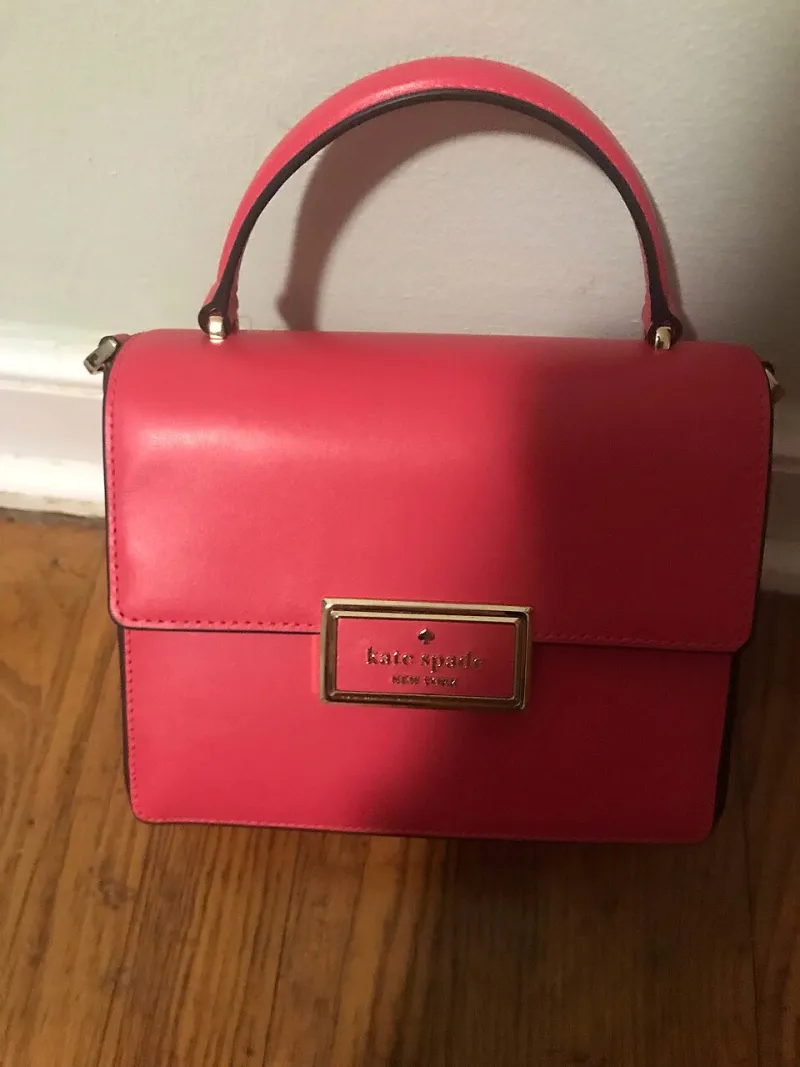
Photo: Kate Spade structured leather handbag flat lay luxury resale, via www.unisimon.edu.co
Let's be honest — most of us don't walk into a boutique thinking about depreciation curves and secondary market demand. We're thinking about that perfect blush pink crossbody or the structured satchel that just gets us. But if you've ever sold a bag on Poshmark or TheRealReal and been pleasantly surprised (or deeply disappointed) by the offers rolling in, you already know that handbag value is a real thing worth paying attention to.
Kate Spade sits in an interesting spot in the luxury market. It's accessible enough that devoted fans can build a collection without selling a kidney, but polished enough that certain styles genuinely appreciate — or at least hold steady — on the resale market. So which pieces deserve a permanent spot in your closet, and which ones are better suited to a seasonal fling? Let's dig in.
Why Kate Spade Resale Is Having a Moment
Over the past few years, the pre-owned luxury market in the US has exploded. Platforms like The RealReal, Vestiaire Collective, and even eBay have made it easier than ever to buy and sell designer goods. Kate Spade, once overlooked in favor of flashier European labels, has quietly become a reliable performer in the mid-luxury resale space.
Part of this is driven by younger shoppers — particularly millennials and Gen Z consumers — who are drawn to the brand's playful aesthetic and recognizable New York roots. The brand's consistent identity, built around wit, color, and clean silhouettes, means that a bag from five years ago doesn't necessarily look dated today. That kind of design longevity is exactly what resale buyers are hunting for.
The Classics That Keep Their Cool
If you're shopping with one eye on long-term value, the rule of thumb is simple: lean into the icons.
The Sam Icon Bag is probably the closest thing Kate Spade has to a flagship silhouette. Clean lines, structured shape, and that signature spade hardware — it's been part of the lineup long enough to earn genuine collector status. The Sam consistently appears on resale platforms at prices that hold reasonably well against retail, especially in neutral colorways like black, camel, and deep navy. Limited-edition versions in unique materials or collaborations tend to fetch even better returns.
The Knott collection has emerged as another strong contender. Its woven leather design feels elevated without being fussy, and it photographs beautifully — which matters more than you'd think in the age of Instagram resale. The Knott Medium Shoulder Bag in particular has developed a loyal following, and resale prices reflect that demand.
Structured satchels and top-handle bags as a category tend to outperform slouchy or ultra-casual styles on the secondary market. There's something about a clean, architectural silhouette that ages gracefully. If you're debating between a boxy top-handle and a more relaxed hobo shape, the former is almost always the smarter long-term bet.
Seasonal Trends: Fun to Buy, Tricky to Resell
Here's where things get a little more complicated. Kate Spade does seasonal novelty extremely well — think whimsical prints, holiday motifs, and those irresistible food-shaped minaudieres that show up every few years. These pieces are genuinely delightful, and if you love them, you should absolutely buy them. But going in with realistic expectations about resale value is important.
Highly themed or novelty bags — the ones shaped like a slice of cake or covered in a very specific seasonal print — tend to spike in interest right around their release window, then cool off significantly. The secondary market for these is niche. You'll find buyers, but you likely won't recoup much of your original investment unless the item was a particularly limited run.
Bright, trend-driven colorways can be a similar story. That electric lime green that looked incredible in spring might feel harder to move in two years. Meanwhile, bags in classic neutrals or the brand's signature rich jewel tones — deep red, forest green, dusty rose — tend to maintain broader appeal over time.
Material Matters More Than You Think
Leather wins, full stop. Genuine leather bags from Kate Spade — particularly those in the brand's Saffiano or smooth pebbled leather — hold up physically and aesthetically far better than coated canvas or novelty fabric options. Resale buyers know this too, and they're willing to pay a premium for leather construction.
This doesn't mean fabric bags aren't worth buying — some of them are stunning and totally worth it for personal use. But if resale potential is part of your calculus, prioritize leather whenever possible.
Hardware condition also plays a surprisingly significant role in resale pricing. Gold-tone hardware that's been well-maintained commands noticeably better offers than pieces showing tarnish or wear. Investing in a good leather conditioner and storing your bags properly (stuffed, upright, in a dust bag) isn't just good bag hygiene — it's protecting your financial investment.
Tips for Shopping Smart Right Now
So how do you put all of this into practice? A few practical pointers:
- Buy at full price strategically. Outlet and sale purchases can be great for personal use, but bags purchased through Kate Spade's outlet line are made to different specifications than mainline pieces and won't perform as well on the secondary market.
- Keep your packaging. Dust bags, original boxes, and care cards genuinely affect resale value. Buyers on platforms like The RealReal will pay more for a complete set.
- Watch for limited collaborations. Kate Spade's collabs — whether with artists, designers, or cultural moments — often create collectible pieces that appreciate faster than standard releases. These are worth tracking.
- Check completed sales, not asking prices. Before buying anything with resale in mind, look at what similar pieces actually sold for on eBay or Poshmark, not what sellers are hoping to get.
The Bottom Line
Kate Spade bags aren't Birkins — nobody's expecting a 300% return on investment. But that's kind of missing the point. The real value proposition here is buying pieces you genuinely love that also happen to hold their worth reasonably well, giving you flexibility down the road. The Sam, the Knott, and structured leather silhouettes in timeless colors are your safest bets. Everything else? Buy it because it makes you happy, not because you're betting on it.
Shopping with a little strategy doesn't take the fun out of it — it just means you're playing the long game. And honestly, that's pretty chic.