Bags, Bonds, and Bottom Lines: Are Kate Spade Handbags the Smartest Alternative Investment You're Not Making?
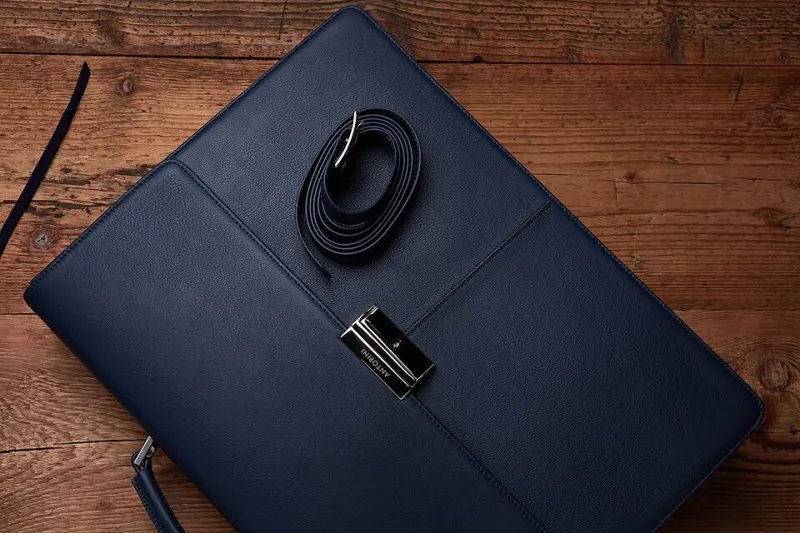
Photo: Antorini, CC BY-SA 4.0, via Wikimedia Commons
There's a conversation happening in certain circles — the kind that takes place between a fashion editor and her financial advisor, or between two friends at a sample sale who both happen to have brokerage accounts — and it goes something like this: Is this bag actually a good investment?
For a long time, that question felt like it belonged exclusively to the Hermès and Chanel crowd. But the resale market has been telling a different story, and the data is finally loud enough that even the most skeptical buyer should lean in and listen. Kate Spade bags, particularly specific styles and limited runs, have been quietly appreciating in ways that are turning heads outside of fashion circles entirely.
So let's break it down — no fluff, just the real mechanics of what makes a handbag a financially sound purchase.
Why "Investment Bag" Isn't Just Marketing Speak Anymore
The global luxury resale market hit an estimated $43 billion in 2023, according to Bain & Company, and it's projected to keep climbing. What's driving that? A combination of younger consumers who are more comfortable buying secondhand, a growing distrust of fast fashion, and — critically — a cultural shift that treats certain accessories the way previous generations treated fine jewelry.
Kate Spade sits in an interesting position within that ecosystem. It's an accessible luxury brand, which means it has a massive installed base of loyal buyers. That broad demand is actually one of the first things resale experts point to when evaluating long-term value retention.
"Demand depth matters enormously in resale," says one vintage accessories dealer based in New York who's been tracking the luxury handbag market for over fifteen years. "A bag that only appeals to a narrow collector base has a ceiling. Kate Spade has generational reach — women who bought their first Sam bag in 2005 are still buying, and now their daughters are buying too. That kind of sustained demand keeps prices stable and, for certain styles, pushes them higher."
The Styles That Are Actually Holding (and Growing) Value
Not every Kate Spade bag is a financial win — and nobody serious about resale would tell you otherwise. But a handful of styles have demonstrated real staying power on the secondary market.
The Sam Icon Bag is the obvious starting point. Original iterations of this structured satchel, particularly in black pebbled leather, have maintained strong resale value for years. Vintage versions in excellent condition routinely sell for prices that rival or exceed their original retail cost, especially on platforms like The RealReal and Vestiaire Collective.
Limited edition collaborations and seasonal colorways are where things get genuinely interesting. Bags released in small quantities — think special holiday collections or brand partnership runs — often appreciate faster than core styles simply because supply is constrained. A limited-run piece in a collector-favorite color like a deep oxblood or a saturated cobalt can command a significant premium within just a few years of its original release.
Novelty bags deserve a special mention here. Kate Spade's whimsical designs — the ones shaped like cameras, birthday cakes, or cocktail glasses — have developed a dedicated collector following that behaves more like a vintage toy market than a traditional fashion resale market. Scarcity plus nostalgia plus a very specific aesthetic equals surprising price appreciation.
How Kate Spade Resale Compares to the Broader Luxury Market
Let's be honest: a Kate Spade bag is not going to outperform a Birkin. That's not the comparison worth making. The more relevant question is how it stacks up against other accessible luxury brands and whether the entry price creates a better risk-adjusted return.
Resale data from platforms like Fashionphile and The RealReal suggests that Kate Spade bags in excellent condition typically retain between 40% and 70% of their original retail value — a range that actually beats several comparably priced competitors. Coach, for instance, tends to see steeper depreciation on its core styles, while Kate Spade's more distinctive design language helps certain pieces hold their floor.
The key phrase there is excellent condition, and we'll come back to that.
The Three Factors That Separate a Smart Buy from an Expensive Mistake
If you're approaching a Kate Spade purchase with one eye on eventual resale, three variables matter more than anything else.
Material quality. Full-grain leather ages differently than bonded leather or coated canvas — it develops a patina that collectors often pay a premium for. Bags made with higher-quality hardware (brass rather than plated zinc) also hold up better over time and photograph better for resale listings. When you're in the store or browsing online, it's worth reading the product details carefully.
Limited availability. Scarcity is the oldest value driver in fashion. If a colorway is being retired, if a collaboration has a defined end date, or if a style is being discontinued — those are signals worth paying attention to. The secondary market rewards buyers who moved early on pieces that are no longer in production.
Condition and documentation. This one can't be overstated. A bag stored in its original dust bag, with tags intact and no visible wear, can sell for significantly more than an identical bag that's been used daily for two years. If you're buying with resale in mind, treat the bag accordingly from day one. Keep packaging, care cards, and any original receipts. These details matter to serious buyers.
A Practical Framework for the Investment-Minded Buyer
So how do you actually build a Kate Spade collection with financial logic behind it — without turning every shopping trip into a spreadsheet exercise?
Start with the classics. A black Sam bag in structured leather is the equivalent of a blue-chip stock: not flashy, but reliable. It has consistent demand, a proven track record on resale platforms, and it's genuinely versatile enough that you'll actually use it.
Allocate a portion of your budget to limited editions. Think of these as your growth assets — higher risk, potentially higher reward. Follow Kate Spade's seasonal drops closely and move quickly on pieces that feel genuinely distinctive rather than just trendy.
Diversify across categories. A crossbody, a structured tote, and one novelty piece give you exposure to different buyer segments on the resale market. If one category softens, the others may hold.
And finally — and this is the part that gets overlooked — buy what you love. The best investment is one you'll care for properly because you're genuinely attached to it. A bag you're indifferent to will show it, in both condition and in how long you actually hold onto it.
The Bottom Line
Treating a Kate Spade bag as an investment doesn't require abandoning the joy of buying something beautiful. It just means being a little more intentional — paying attention to which styles have staying power, understanding what drives resale value, and caring for your pieces like the assets they genuinely can be.
The fashion world has always known that the right bag at the right time is worth more than its price tag. The data is just finally catching up.