Dressed Without Saying a Word: What Your Kate Spade Bag Communicates Before You Do

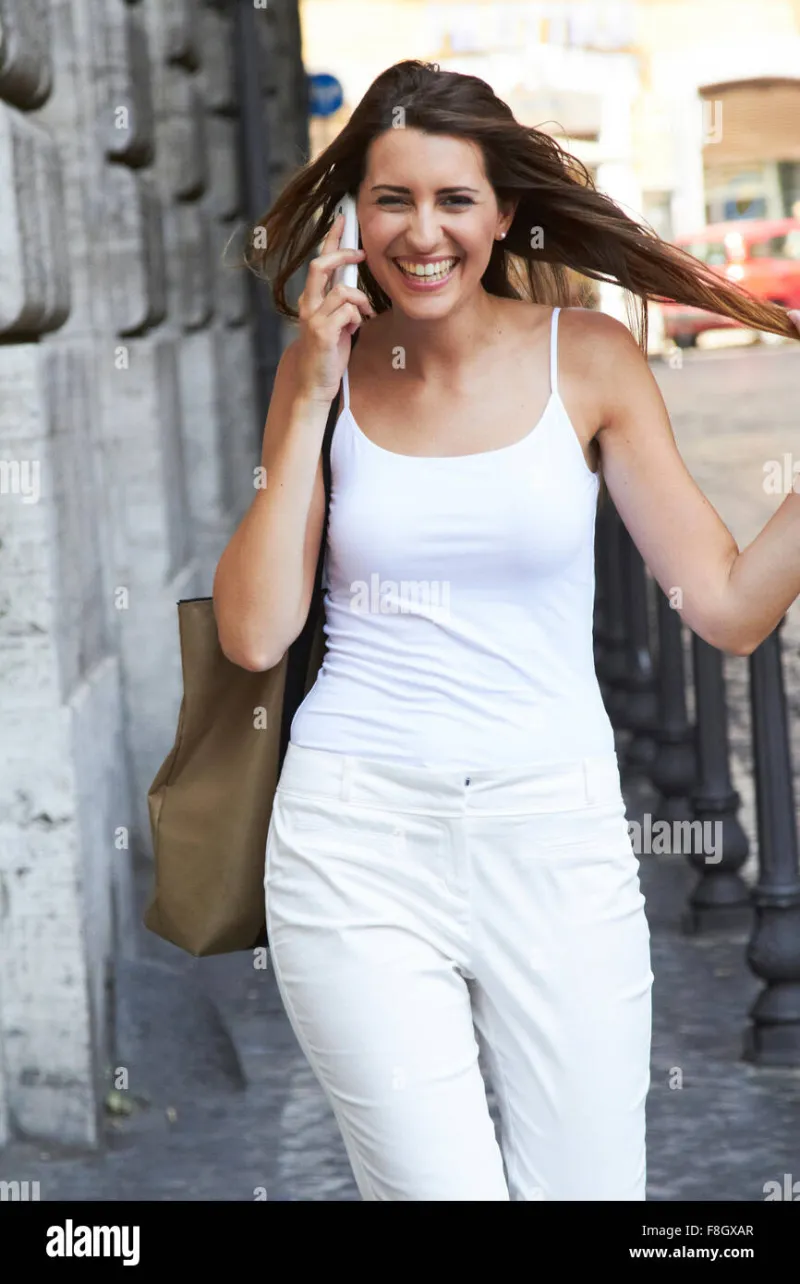
Photo: confident woman carrying structured handbag in professional setting, via static.wikia.nocookie.net
There's a moment that happens in every room you walk into. It lasts maybe three seconds. And in that window, before you've introduced yourself or cracked a joke or handed over a business card, people have already started forming an opinion. Not about your résumé. Not about your personality. About the whole package — and yes, that includes what's hanging off your shoulder.
This isn't vanity. It's psychology.
And when you're carrying a Kate Spade bag, the story you're telling is more nuanced than most people realize. It's not about flashing a logo or signaling a price point. It's something quieter, and honestly, more interesting than that.
Why Accessories Carry More Weight Than You Think
Fashion psychologists — yes, that's a real specialty — have spent years studying how clothing and accessories influence social perception. The research is pretty consistent: people read accessories as intentional choices. Unlike a haircut that grew out or shoes you grabbed because they were comfortable, a bag feels chosen. It feels deliberate. And that deliberateness is exactly what gives it so much communicative power.
Dr. Jennifer Baumgartner, a clinical psychologist and author who has written extensively about the psychology of dress, has noted that accessories often function as a kind of shorthand — a way of signaling values, priorities, and self-awareness without a single word. The bag you carry, she argues, tells people how you think about yourself.
Kate Spade sits in a particularly interesting position within that framework. It's not trying to whisper old-money restraint like certain legacy European houses. It's not shouting streetwear clout. It occupies this genuinely distinct middle space: polished but playful, confident but not aggressive, put-together without being stiff. And that specific combination communicates something really specific to the people around you.
The Signals Kate Spade Sends (That You Might Not Realize)
Let's break down what people actually pick up on — consciously or not — when they see you with a well-chosen Kate Spade bag.
You have taste, not just money. This is a big one. A lot of luxury handbags communicate wealth first and taste second. Kate Spade flips that. The brand's design language — the clean lines, the unexpected color choices, the occasional whimsical detail — reads as someone who thought about what they were buying. That registers as discernment, and discernment is deeply appealing in professional and social settings alike.
You're confident without being competitive. There's a certain kind of status-signaling that puts people on edge. It creates hierarchy. Kate Spade's aesthetic doesn't really do that. It's inviting rather than intimidating. Style experts consistently point out that bags with strong personality but without aggressive branding tend to make people feel like they're meeting someone rather than being evaluated by them.
You pay attention to detail. A structured bag in a rich, well-maintained leather, or a crossbody in a color that clearly didn't happen by accident — these things register as evidence of a person who notices things. In a workplace context, that's exactly the kind of first impression that opens doors.
Which Kate Spade Styles Do This Best
Not every bag delivers this effect equally. Some styles are better suited to specific contexts, and knowing the difference is half the battle.
The Knott Satchel is probably the clearest example of quiet authority in the Kate Spade lineup. Its structured silhouette reads as organized and intentional — the kind of bag that says you showed up prepared. In a meeting or a job interview, that's worth something. The clean hardware and minimal exterior detailing keep it from feeling fussy, which matters when you want the focus to stay on you, not your accessories.
The Darcy line works beautifully for professional environments where you also need to project warmth. The slightly softer silhouette keeps it from feeling overly corporate, while the quality of the leather grounds it. It's the bag equivalent of a firm handshake and a genuine smile — competent and approachable at the same time.
For social settings, the brand's smaller crossbody styles — particularly in bolder colors or with the occasional signature detail — do something different. They signal that you're present, that you dressed for this, that you're not just going through the motions. There's a confidence in carrying something with personality that people respond to, even when they can't quite articulate why.
The Sam Icon bag deserves a specific mention here because it's one of the few styles that threads the needle between recognizable and understated. People in the know recognize it; people who aren't don't feel excluded by it. That accessibility, without sacrificing identity, is actually a pretty sophisticated social move.
Confidence Is the Real Variable
Here's the thing no style expert will let you skip over: the bag is only part of the equation. The way you carry it matters just as much.
Research on embodied cognition — the idea that physical experience influences mental states — suggests that carrying something you genuinely love and feel good about actually changes how you hold yourself. Your posture shifts. Your eye contact improves. You move through a room differently. The bag isn't creating confidence from nothing, but it can absolutely amplify what's already there.
This is why the advice to buy something that genuinely speaks to you isn't just feel-good fluff. It's practically strategic. A bag you feel ambivalent about, even a beautiful one, doesn't give you that lift. A bag that feels like you — that you reach for automatically, that makes you feel pulled-together just by putting it on — that one does something real.
The Underrated Power of Consistency
One more thing worth saying: rotating the same few well-chosen bags regularly, rather than cycling through a rotating cast of options, actually reinforces your personal brand over time. People around you start to associate specific aesthetics with you. It becomes part of how they remember you, how they describe you to others.
That's not a small thing. In professional contexts especially, being visually memorable — in a positive, intentional way — is a genuine advantage. And Kate Spade's design philosophy, which tends toward strong point-of-view pieces rather than trend-chasing, is well-suited to building that kind of consistent visual identity.
The Quiet Part Out Loud
None of this is about pretending a bag changes who you are. It doesn't. But the right accessories, chosen with intention, can absolutely help you show who you are more clearly — before you've had a chance to say a word.
That's the quiet power the right Kate Spade bag carries. Not status. Not price. Just a clear, confident, considered signal that you know exactly what you're doing.
And in a world full of noise, that kind of clarity is surprisingly rare.