Why Skipping the Sale Rack Might Be the Smartest Thing You Do for Your Kate Spade Collection

Photo: Blake Bronstad, CC0, via Wikimedia Commons
We've all been there. You're scrolling through a Kate Spade flash sale at 11 p.m., a discounted crossbody in your cart, finger hovering over the checkout button. Forty percent off feels like a no-brainer. It practically feels responsible. But what if that discount is actually costing you more than you think?
This is the Kate Spade paradox — and once you see it, you can't unsee it.
The Real Price of a "Deal"
Let's start with an uncomfortable truth: most sale-hunting behavior in luxury-adjacent fashion is driven by the feeling of winning, not by actual financial logic. When a $350 Kate Spade Knott Satchel shows up at $210 during a Friends & Family event, the brain registers a $140 savings. What it doesn't register is whether that bag was actually the right buy to begin with.
Consumer behavior research consistently shows that discount-driven purchases have significantly higher rates of buyer's remorse and lower long-term usage. In plain terms: we use sale items less. We reach for the things we deliberated over, saved for, and chose with intention — not the things we grabbed because the price felt urgent.
For Kate Spade specifically, this matters a lot. The brand's lineup spans everything from playful novelty bags to sleek, investment-worthy leather staples. Not all of them deserve the same level of commitment, and the sale rack doesn't help you tell the difference.
Where Full-Price Purchases Actually Pay Off
Not every Kate Spade bag is created equal when it comes to long-term value. Here's where paying full price tends to make the most financial and practical sense:
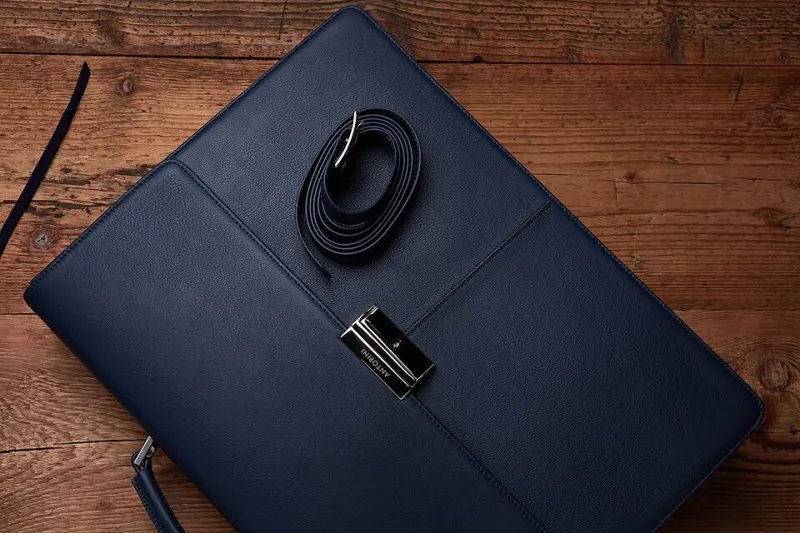
Structured leather silhouettes. The Knott collection, the Sam Icon, and the Madison range are built from materials that age well and hold their shape over years of regular use. These aren't bags that look tired after one season — they look better with a little wear. On the resale market, well-maintained versions of these styles consistently sell for 40–60% of their original retail price on platforms like Poshmark and ThredUp, which is strong performance for a brand in this price tier.
Signature colorways and classic neutrals. Black, warm taupe, and rich burgundy don't go on sale as aggressively or as frequently as the season's trendier shades. If you wait for a discount on a black Knott Medium Satchel, you might be waiting through two or three seasonal cycles — during which time you're either going without or buying something else that doesn't serve you as well.
Limited-edition and collaboration pieces. These are the clearest case for full-price purchasing. Once they're gone, they're gone — and on the secondary market, they often command prices above retail. Waiting for a markdown that will never come means missing out entirely, or paying a resale premium that dwarfs what you would have spent originally.
The Hidden Cost of Buying Twice
Here's where the math gets really interesting. Say you skip a full-price purchase on a $328 Kate Spade crossbody because you're hoping it'll hit 30% off in a few weeks. In the meantime, you pick up a $95 nylon tote on clearance because you need something to carry. Six weeks later, the crossbody is sold out in your size and color. You end up buying a different style at a slight discount — one you're less excited about — and the $95 tote sits mostly unused.
You've now spent $95 + $280 (discounted alternate bag) = $375. That's more than the original full-price bag would have cost, and you got less of what you actually wanted.
This isn't a hypothetical. It's the standard playbook for how sale-hunting goes sideways, and it happens constantly in the Kate Spade shopping cycle because the brand's most popular styles in the most popular colors sell out fast.
When Waiting for a Sale Does Make Sense
To be fair, there are real scenarios where patience pays off. Novelty bags — the whimsical fruit shapes, the holiday-themed clutches, the bold seasonal prints — are almost always better purchased at a discount or not at all. These pieces have limited versatility windows, and they hit the sale rack reliably because they move slower than the core collection.
Same goes for trend-driven silhouettes that mirror whatever's happening in the broader fashion market. If a particular bag shape is having a moment because of a celebrity or a viral TikTok, odds are it'll be discounted within a season or two as the trend cools. These are the pieces where waiting is genuinely smart.
The shortcut for figuring out which category a bag falls into: ask yourself whether you'd still want it in three years. If the answer is yes, buy it now, at full price, in the color you actually want. If the answer is uncertain, wait.
Psychological Satisfaction Is a Real Variable
This one doesn't show up on a spreadsheet, but it's worth naming: there's a measurable difference in how we feel about and treat things we paid full price for versus things we bought on clearance. It's not snobbery — it's psychology. When we invest more, we tend to take better care of the item, use it more consistently, and feel better about the purchase over time.
For a Kate Spade bag that's going to live in your rotation for five-plus years, that psychological satisfaction compounds. It affects how well you maintain the leather, whether you store it properly, and ultimately, what it's worth if you ever decide to resell it.
Building a Collection That Actually Makes Financial Sense
The smartest Kate Spade shoppers aren't the ones who never pay full price — and they're not the ones who always do. They're the ones who know which pieces deserve full-price commitment and which ones are fun additions best picked up at a discount.
A practical framework:
- Full price, no hesitation: Core structured leather bags in classic colors, any limited-edition piece you genuinely love, styles you know you'll use daily.
- Wait for a sale: Novelty shapes, trend-specific silhouettes, secondary colors in styles you already own.
- Skip entirely: Anything you're buying because it's cheap, not because you want it.
The goal isn't to spend more. It's to spend better — and to end up with a collection of Kate Spade pieces that earns its keep in your closet every single day.
Sometimes the most luxurious thing you can do is pay full price for exactly what you want, instead of a discount on something that's almost right.