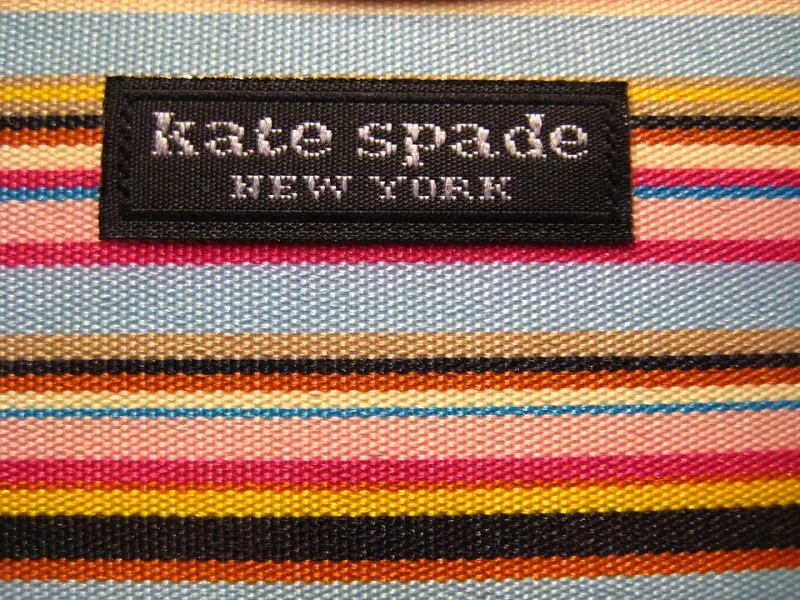
Heirloom in a Dust Bag: How Kate Spade Handbags Become the Things Worth Passing Down
Photo: Tyne & Wear Archives & Museums, No restrictions, via Wikimedia Commons
There's a particular kind of weight to a bag that belonged to your mother. Not the physical kind — though a well-constructed structured tote has its heft — but the emotional kind. The kind you feel the first time you slide your own keys into a pocket she used every single day. For a growing number of women across the US, that bag is a Kate Spade.
It might sound like a stretch to put a handbag in the same category as a grandmother's pearl earrings or a grandfather's watch. But the more you talk to real people about the accessories they've inherited, the more you realize that sentiment doesn't follow a rulebook. It follows quality. It follows design that holds up. And more than anything, it follows the feeling a particular object carries when the person who loved it is gone.
Kate Spade bags, it turns out, have a lot of that feeling to spare.
Why These Bags Don't Just Survive — They Endure
Let's start with the practical side, because it matters more than people give it credit for. A bag that's going to become an heirloom has to actually last. It can't fall apart at the seams after three seasons or develop hardware that tarnishes into something embarrassing. Kate Spade's construction — particularly in its classic structured silhouettes — has always leaned toward durability as a design value, not just an afterthought.
The Sam icon bag, the Cameron, the Knott — these aren't styles built to be disposable. The clean lines, the quality of the leather on full-grain pieces, the reinforced stitching along stress points: these are details that age gracefully rather than awkwardly. Fashion historians who study accessories note that bags with minimal trend-specific detailing tend to read as timeless decades later, while heavily logo-driven or novelty-focused pieces often feel dated within a few years. Kate Spade has always walked that line with unusual confidence — playful enough to feel distinctive, restrained enough to feel permanent.
That balance is a big part of why a bag purchased in 2004 can sit next to one from 2024 and feel like it belongs to the same intelligent conversation.
The Stories That Travel Inside Them
Ask collectors and families who've kept Kate Spade pieces across generations and you'll hear a pattern emerge pretty quickly. It's rarely about the resale value. It's about the context the bag holds.
One woman in her late thirties described inheriting her aunt's black Kate Spade crossbody — a bag her aunt had carried through job interviews, first dates, and weekend farmers markets for nearly a decade. "It still smells faintly like her perfume," she said. "I know that sounds like a lot, but when you open it, you're just — she's right there."
That's not a marketing claim. That's what happens when an object is genuinely well-loved and well-made. Cheap bags don't survive long enough to collect that kind of meaning. They get tossed. They fall apart. They become a footnote. A bag that holds its structure and its beauty over years becomes something you keep, and things you keep are things you eventually pass on.
Fashion archivists point to this phenomenon regularly: the accessories most likely to move through families are the ones that were bought with intention and maintained with care. Kate Spade sits squarely in that zone — aspirational enough that buyers invested real thought into the purchase, approachable enough that the bags actually got used rather than locked in a display case.
What Makes Something Heirloom-Worthy, Anyway?
This is worth slowing down on, because not every Kate Spade bag is automatically destined for generational hand-me-down status. There's a difference between a bag that lasts and a bag that means something.
The pieces most likely to earn heirloom status tend to share a few qualities:
They're classics, not trends. The structured satchel in black or warm camel. The clean crossbody in a neutral that works across decades of fashion shifts. These are the silhouettes that don't need a particular cultural moment to make sense.
They were purchased with intention. When someone saved up for a bag, or received it as a meaningful gift, that origin story attaches itself to the object. The bag that was a college graduation present carries more weight than the one grabbed impulsively during a flash sale.
They've been cared for. Leather conditioned seasonally. Stored properly in its dust bag. Hardware polished rather than ignored. A bag that's been loved looks like it's been loved, in the best possible way — a rich patina rather than neglect.
They have a good story. This might be the most underrated factor. A bag that went everywhere — that saw a cross-country move, a first day at a new job, a hundred ordinary Tuesdays — accumulates a kind of narrative weight that a barely-touched bag simply doesn't have.
The Unexpected Investment Angle
Here's where the conversation gets interesting for the practically-minded among us. We've all seen the discourse around luxury handbags as investments — the Birkin headlines, the vintage Chanel auction results. Kate Spade isn't playing in that rarefied air, and honestly, that's fine. The investment case for these bags isn't about resale markets or auction houses.
It's about replacement cost over time.
A bag purchased for $400 in 2010 that's still functional and beautiful in 2025 has essentially paid for itself many times over compared to the parade of cheaper bags that would have cycled through the same years. Add in the fact that you're handing it to your daughter or niece instead of throwing it away, and the math starts looking genuinely compelling.
There's also the secondhand market to consider. Well-maintained Kate Spade classics — particularly the structured leather pieces in neutral colorways — hold their value on platforms like The RealReal and Poshmark in ways that fast-fashion accessories simply don't. That's not nothing, especially for someone building a collection with one eye on longevity.
How to Buy a Bag That's Built to Be Passed Down
If this framing resonates with you — if you like the idea of buying something today that might matter to someone you love in twenty years — here's how to shop with that intention.
Go classic over cute. The novelty bag shaped like a birthday cake is delightful right now. It will be a curiosity in a decade. The leather satchel in a rich cognac is going to look even better with age.
Choose leather where it counts. Kate Spade's full-grain leather pieces age in a way that nylon and coated canvas simply don't. The investment is higher upfront, but the payoff compounds.
Buy the size that actually works for a real life. A bag that gets used develops character. A bag that sits on a shelf because it's impractical just sits there.
Keep the dust bag and the care card. These small things matter more than you'd think when you're eventually handing something down.
And finally, use it. A bag that's lived a full life — that's been carried through the messy, beautiful, ordinary days of an actual human existence — is the kind of bag worth keeping. That's the one that earns its place in the family story.
Some things you buy for the season. The best things you buy for the story. Kate Spade, at its best, has always understood the difference.