One New Piece, Whole New Wardrobe: The Surprising Math Behind Refreshing Your Kate Spade Collection
The Bag You Already Have Is More Versatile Than You Think
Here's something nobody in the fashion world talks about enough: the most transformative purchase you can make for your collection might not be a new bag at all. It might be a $45 charm, a replacement strap in a different finish, or a slim card case in a complementary color. That's the quiet magic at the heart of building a Kate Spade collection that actually evolves with you — and it starts with seeing your bags not as finished objects, but as starting points.
Most of us treat handbag purchases as closed transactions. You buy the bag, you carry the bag, and eventually you wonder if it's time for something new. But that framing leaves a lot of untapped potential sitting in your closet. The reality is that Kate Spade's design language — its mix of structured silhouettes, playful hardware, and versatile color stories — is practically built for modular thinking. Once you start approaching your collection that way, everything changes.
Why One Addition Creates a Ripple Effect
There's a concept in behavioral psychology called the Diderot Effect, named after an 18th-century French philosopher who received a fancy dressing gown as a gift and then spent years replacing everything in his study to match it. The effect describes how acquiring one new item can trigger a chain of complementary purchases — and while that can spiral into overspending, it also explains why a single thoughtful addition to your bag collection can reframe everything around it.
Bring home a new Kate Spade crossbody in a fresh colorway, and suddenly your older tote looks like the perfect pairing for days when you need to carry more. Add a whimsical bag charm to a classic structured satchel you've been carrying on autopilot, and it starts feeling exciting again. Swap out the original strap on your shoulder bag for a chain-link version, and the whole bag shifts registers — from casual to elevated, from weekend to workday.
This isn't about tricking yourself into loving something you've outgrown. It's about recognizing that the pieces you already own have more range than a single styling approach can reveal.
The Strategic Addition: What Actually Works
Not every accessory addition lands the same way. Some feel like genuine upgrades; others end up sitting in a drawer. The difference usually comes down to how intentionally you're approaching the choice. Here are a few categories worth thinking through:
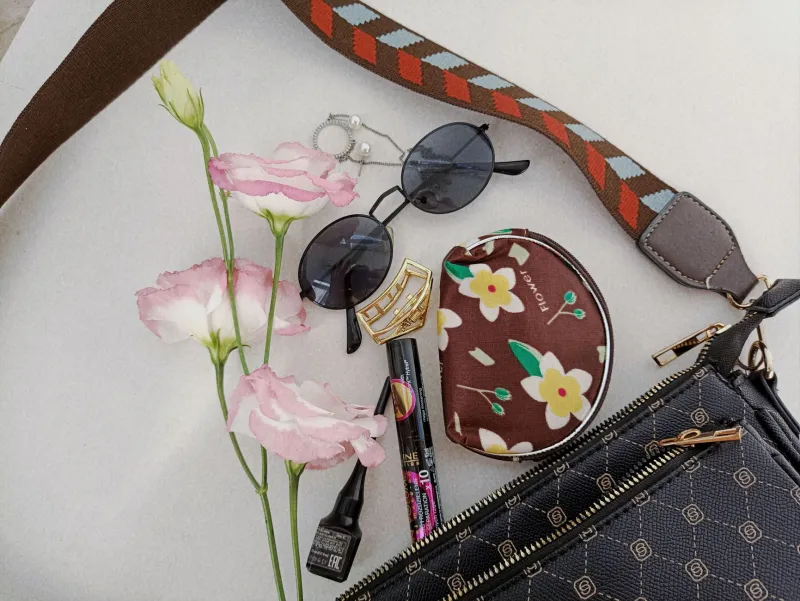
Straps and handles. Kate Spade has leaned into interchangeable strap options in a meaningful way, and it's one of the smartest moves the brand makes for long-term wearers. A bag that came with a single top handle suddenly becomes a hands-free option with the right crossbody strap. A woven or printed strap can introduce a new color story to a neutral bag without requiring you to commit to an entirely new palette.
Charms and bag jewelry. This is the lowest-stakes, highest-impact category. A well-chosen charm — whether it's a sculptural novelty piece, a satin bow, or a subtle logo tag — can give a familiar bag a fresh personality. It's also an easy way to inject seasonal energy into a bag you've been carrying year-round without worrying about whether it'll still feel right in six months.
Small leather goods as visual anchors. A slim wallet, card case, or wristlet in a coordinating color doesn't just add function — it creates visual cohesion when you're switching between bags. Suddenly your collection starts to feel curated rather than collected. Everything speaks to everything else, and that sense of intentionality is part of what makes a wardrobe feel pulled-together rather than random.
A compact second bag in the same color family. Sometimes the most powerful addition isn't an accessory at all — it's a small bag that unlocks a whole new use case for the one you already own. A mini crossbody in the same neutral family as your larger tote, for instance, gives you a lighter option for evenings out while making both bags feel like part of a deliberate collection rather than two unrelated purchases.
Giving Yourself Permission to Think Differently
There's a particular kind of guilt that comes with eyeing something new when you already have a closet full of bags. It's the voice that says you don't need anything, that what you have is perfectly fine, that wanting more is somehow excessive. That voice isn't entirely wrong — but it can also keep you stuck in a static relationship with pieces that have a lot more life left in them.
Thinking about your Kate Spade collection as a modular system reframes the whole conversation. You're not buying more for the sake of buying more. You're investing in the flexibility of what you already own. A new strap doesn't just change one bag — it changes how you use three bags. A coordinating clutch doesn't just add a piece — it completes a rotation you didn't know you were missing.
This is actually a more sustainable approach to fashion, too. When you're adding to a foundation rather than replacing it, you buy less impulsively and more strategically. You start to think about what's missing from your current lineup rather than what's trending on social media. And that shift in thinking tends to produce a collection that feels genuinely personal rather than seasonally disposable.
The Art of the Considered Add-On
Before you click add to cart on anything, it helps to do a quick audit of what you're already working with. Pull out the bags you own and think about which ones you reach for constantly, which ones you've been neglecting, and which ones feel like they're not quite working the way you hoped. That last category is often where the most interesting additions live.
A bag you're not using is usually a bag that doesn't fit into your current life in the right way — and often, that's a function problem, not an aesthetic one. Maybe it doesn't work hands-free. Maybe it reads too casual for your current job. Maybe it's the right size but the wrong strap length. Those are all fixable problems, and fixing them is almost always cheaper and more satisfying than replacing the bag entirely.
Your Collection Is a Living Thing
The best Kate Spade collections aren't built in a single shopping session — they evolve. They accumulate meaning and flexibility over time, picking up new pieces that make the older ones more useful and more interesting. A bag you bought three years ago can feel brand new with the right addition, and a collection that felt finished can open up in ways you didn't anticipate.
That's the real paradox at the center of all of this: adding one carefully chosen piece doesn't just change one bag. It changes the whole story your collection is telling. And sometimes, that's exactly the refresh you didn't know you needed.