Breaking Up With Safe: Why Kate Spade Loyalists Are Ditching Their Go-To Styles for Something Wildly Different
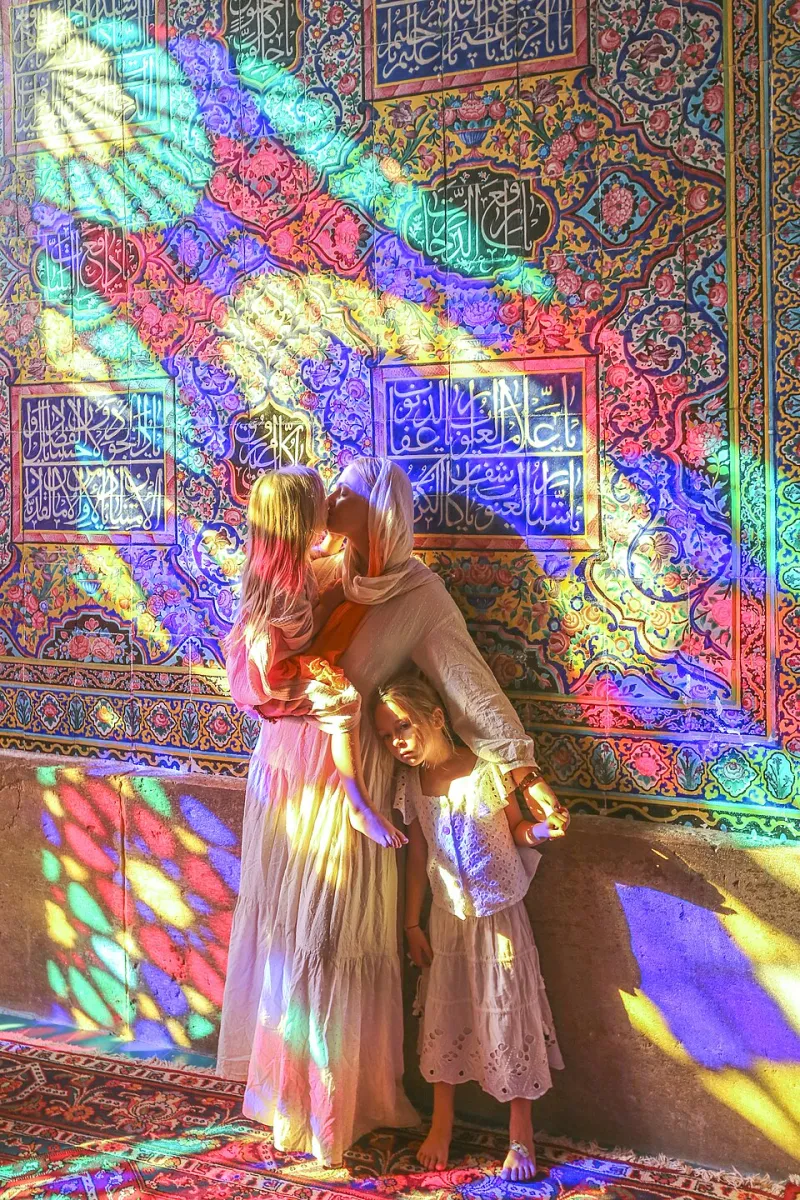
Photo: Hadadinejad, CC BY-SA 4.0, via Wikimedia Commons
There's a particular kind of loyalty that Kate Spade inspires. You find your bag — maybe it's the structured top-handle you bought yourself after a big promotion, or the buttery leather crossbody that's been on your shoulder through three apartments and two relationships — and you stick with it. You buy it in another color. You recommend it to your sister. You become, quietly and completely, a person with a signature.
So what happens when that person decides to blow the whole thing up?
Across the Kate Spade community — in resale forums, in comment sections, in the DMs of fashion influencers who have built entire aesthetics around the brand — there's a growing wave of loyalists doing something unexpected: walking away from their classics on purpose. Not because they've fallen out of love with Kate Spade, but because they're ready to fall into something new.
The Comfort Zone Has an Expiration Date
Fashion psychologist Dr. Dawnn Karen, who has written extensively on the relationship between clothing choices and personal identity, describes this kind of style pivot as "identity expression evolution." In plain terms: when your life changes, your aesthetic often needs to catch up.
"The bag you chose at 28 made complete sense for who you were then," she explains. "But personal growth doesn't always show up in your resume or your relationships first. Sometimes it shows up in the accessories aisle."
For many Kate Spade fans, the brand has long represented a certain kind of polish — approachable luxury, wit without trying too hard, color that felt celebratory rather than chaotic. The classics delivered on that promise reliably. A navy Knott tote. A camel Cameron. A black Sam Icon. These are bags that whisper rather than shout, and for years, that was exactly the point.
But whispers aren't always enough.
What's Actually Pulling People Toward the Unexpected
Talk to women who've made the leap — from their trusted neutrals to something stranger and bolder — and a few themes emerge consistently.
For Chicago-based marketing director Priya Nair, 34, it started with a Kate Spade novelty bag shaped like a strawberry that her coworker carried to a team lunch. "I literally stopped mid-sentence," she says. "I'd never thought of myself as a novelty bag person. But something about seeing it in real life, not on a website, made me reconsider my whole personality."
She bought a floral sculptural clutch two weeks later. Then a cobalt blue structured satchel she describes as "the most me and least me thing I own simultaneously."
This dual feeling — of recognition and surprise — seems to be part of the appeal. The bag feels like an extension of the self, but a self that hasn't fully arrived yet. A self being tried on.
For others, the shift is more deliberate. Atlanta-based stylist Monique Wells says she actively encourages her clients to introduce one "disruptive" piece into a well-established personal style every year or two. "When everything in your wardrobe is perfectly coordinated, it stops feeling like fashion and starts feeling like a uniform," she says. "A bag that surprises people — that surprises you — wakes the whole thing back up."
Kate Spade's Role in the Rebellion
Here's the thing worth noting: Kate Spade, as a brand, has always had a playful streak. The original Kate Spade New York aesthetic was never purely minimalist. It was optimistic, a little cheeky, and comfortable with color in a way that a lot of luxury brands weren't. The classics became classics partly because they distilled that spirit into something wearable for everyday life.
But the brand's broader catalog — the novelty pieces, the limited-edition collaborations, the unexpected silhouettes that show up each season — has always been there for the loyalists who were ready to go further. The sculptural bags. The bags that look like little books or camera cases or pieces of fruit. The saturated jewel tones that have no business being this wearable and yet somehow are.
For longtime fans stepping outside their comfort zones, Kate Spade offers a relatively safe container for experimentation. The quality is familiar. The brand DNA is trusted. The leap feels smaller because the foundation is solid.
"It's not like I'm going to a brand I don't know," says Priya. "I already trust Kate Spade. So trying something I wouldn't normally try feels less risky. If it doesn't work, at least I know I bought something well-made."
Can the Bold Pieces Actually Live Alongside the Classics?
This is where things get interesting. Most of the women we spoke with aren't replacing their signature bags — they're adding to them. The Knott tote isn't going anywhere. But it now shares closet space with a kelly green top handle that gets carried once a week, on the days when the mood calls for something that announces itself.
Monique Wells calls this the "punctuation" approach to bag collecting. "Your classics are the sentences," she explains. "The bold, unexpected pieces are the exclamation points. You don't use them on every line. But when you do, they land harder."
The coexistence isn't always seamless, of course. Some women find that once they've bought the sculptural novelty bag or the neon crossbody, they reach for it more than they expected — and the faithful neutral starts gathering a little dust. Others rotate deliberately, treating their bolder pieces as seasonal or occasion-specific.
What almost no one reports is regret.
The Permission You Didn't Know You Needed
Maybe the most interesting thing about this trend is what it reveals about how we think about personal style in the first place. There's an implicit pressure — especially in communities built around specific brands or aesthetics — to stay consistent. To be recognizable. To have a "thing."
But identity isn't static, and neither is style. The woman who built her aesthetic around clean lines and classic silhouettes at 30 might be ready, at 38, to see what happens when she reaches for the bag that makes her laugh out loud in the store. The one she almost puts back on the shelf. The one she buys anyway.
Kate Spade, at its best, has always been about that kind of joy — the kind that doesn't take itself too seriously, that finds delight in the unexpected, that believes a well-chosen accessory can genuinely shift your mood.
Sometimes breaking up with your signature is the most loyal thing you can do. Not to the bag, but to yourself.
So if you've been eyeing something strange and wonderful in this season's lineup — something that doesn't quite match the aesthetic you've spent years carefully curating — maybe that's exactly the point. Your collection will survive the disruption. You might even thank yourself for it.