Why the Bag You Carry Every Single Day Deserves the Biggest Budget Line

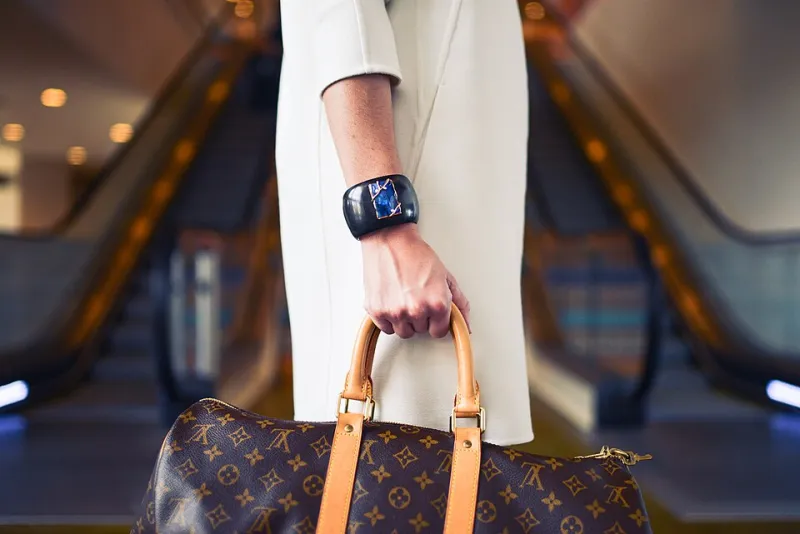
Photo: MUCUNGUZI Jr ANOLD, CC BY-SA 4.0, via Wikimedia Commons
Here's a thought experiment: take a mental inventory of every bag you've bought in the last five years. Now think about which ones you actually used. Chances are, there's a pile of "practical" budget purchases that lasted about eight months before the zipper gave out, the strap frayed, or the lining started peeling away like a bad sunburn. Meanwhile, that one quality bag you splurged on? Still going strong.
This is the everyday bag paradox — and it trips up even the most fashion-savvy shoppers. We instinctively protect our investment pieces, keeping them for special occasions and treating them like museum artifacts. But the bags we're actually living in, the ones that hit the office floor, get stuffed under airplane seats, and hold everything from lip gloss to emergency snacks? We buy those cheap. And that habit, however sensible it seems, is quietly draining your wallet.
The Real Math Behind "Budget-Friendly"
Let's talk numbers for a second. Say you pick up a no-name tote for $45 because it looks cute enough and you don't want to "waste" money on something you'll beat up anyway. Reasonable, right? Except that bag lasts maybe ten months before it starts embarrassing you in public. So you replace it. And again. Over three years, you've spent $135 minimum — and that's being generous about the replacement timeline.
Now compare that to a Kate Spade everyday bag in the $250–$350 range. Quality pebbled leather, reinforced stitching, hardware that doesn't turn green after two seasons. Carried daily, that bag easily clocks three to five years of real use. Run the cost-per-wear calculation and you're looking at pennies on the dollar compared to your revolving door of budget totes.
Cost-per-wear is the metric that luxury shoppers have always understood and budget shoppers tend to dismiss — but it's genuinely one of the most honest ways to evaluate a purchase. Divide the price by the number of times you'll actually use something, and suddenly a $300 everyday bag starts looking like the frugal choice.
What You're Actually Paying For (And What You're Not)
There's a reason Kate Spade bags hold up the way they do, and it's not magic. It's material sourcing, construction standards, and design integrity. The difference between a $50 bag and a $300 bag isn't just branding — it's the weight of the hardware, the quality of the lining, the way the seams are finished, and whether the strap attachment is actually built to hold the weight of your life.
Cheap bags are engineered to look good on a shelf. Quality bags are engineered to perform. When you're using something every single day, that engineering gap becomes very obvious, very fast.
Kate Spade specifically has built a reputation for making bags that are both personality-forward and genuinely durable — which is a harder balance to strike than it sounds. A bag can be whimsical in its design and still be serious about its construction. That's exactly the sweet spot that makes a Kate Spade everyday bag worth the investment.
The Hidden Costs Nobody Talks About
Beyond the replacement cycle, there are softer costs to the budget-bag habit that are worth naming. There's the mental load of knowing your bag is on borrowed time — that low-grade anxiety every time you hear a zipper catch or notice a seam pulling. There's the time spent shopping for replacements. And honestly? There's the quiet toll it takes on how you show up.
Your bag is one of the first things people notice. It sits on conference tables. It gets handed to coat check. It comes out at dinner. An everyday bag that's visibly struggling undermines the rest of your outfit in ways that are subtle but real. A well-chosen Kate Spade piece, on the other hand, does quiet, consistent work for your personal brand — even when you're just running errands.
How to Pick the Right Everyday Kate Spade Investment
Not every Kate Spade bag is built for daily grind duty, and that's fine — some pieces are designed to be occasion-specific. But if you're shopping with everyday use in mind, here's what to look for:
Structure over softness. Bags with some interior structure hold their shape better over time and protect your belongings more effectively. Look for styles with a flat base or interior frame.
Pebbled or textured leather over smooth. Smooth leather shows every scratch and scuff, which is brutal for daily use. Pebbled leather hides minor wear beautifully and develops a character over time that actually looks intentional.
Zipper closure over magnetic snap. For an everyday bag, security matters. A quality zipper keeps your belongings safe and tends to outlast snap closures under heavy use.
Interior organization you'll actually use. The best everyday bag is one that makes your life easier, not just prettier. Multiple slip pockets, a key clip, and a dedicated phone slot aren't luxuries — they're functionality that saves you time every single day.
Neutral colorways with personality. Your everyday bag needs to work with everything in your closet. Kate Spade's range of rich neutrals — warm taupes, deep navies, classic blacks with signature hardware — give you versatility without sacrificing the brand's signature playfulness.
The Investment Mindset Shift
The mental reframe here is simple but not easy: stop thinking of your everyday bag as a consumable and start thinking of it as infrastructure. Your laptop, your phone, your car — you don't buy those on the cheap because you're going to use them constantly. The same logic applies to the bag that carries all of it.
When you invest in a quality everyday Kate Spade piece, you're not being extravagant. You're being strategic. You're opting out of the replacement cycle. You're choosing something that will look better in year two than it did at the register. You're making a decision that actually costs less in the long run while delivering more in terms of function, confidence, and sheer daily enjoyment.
The bags that deserve your biggest investment aren't the ones sitting in tissue paper for special occasions. They're the ones going everywhere with you, every day. It's time your budget reflected that.